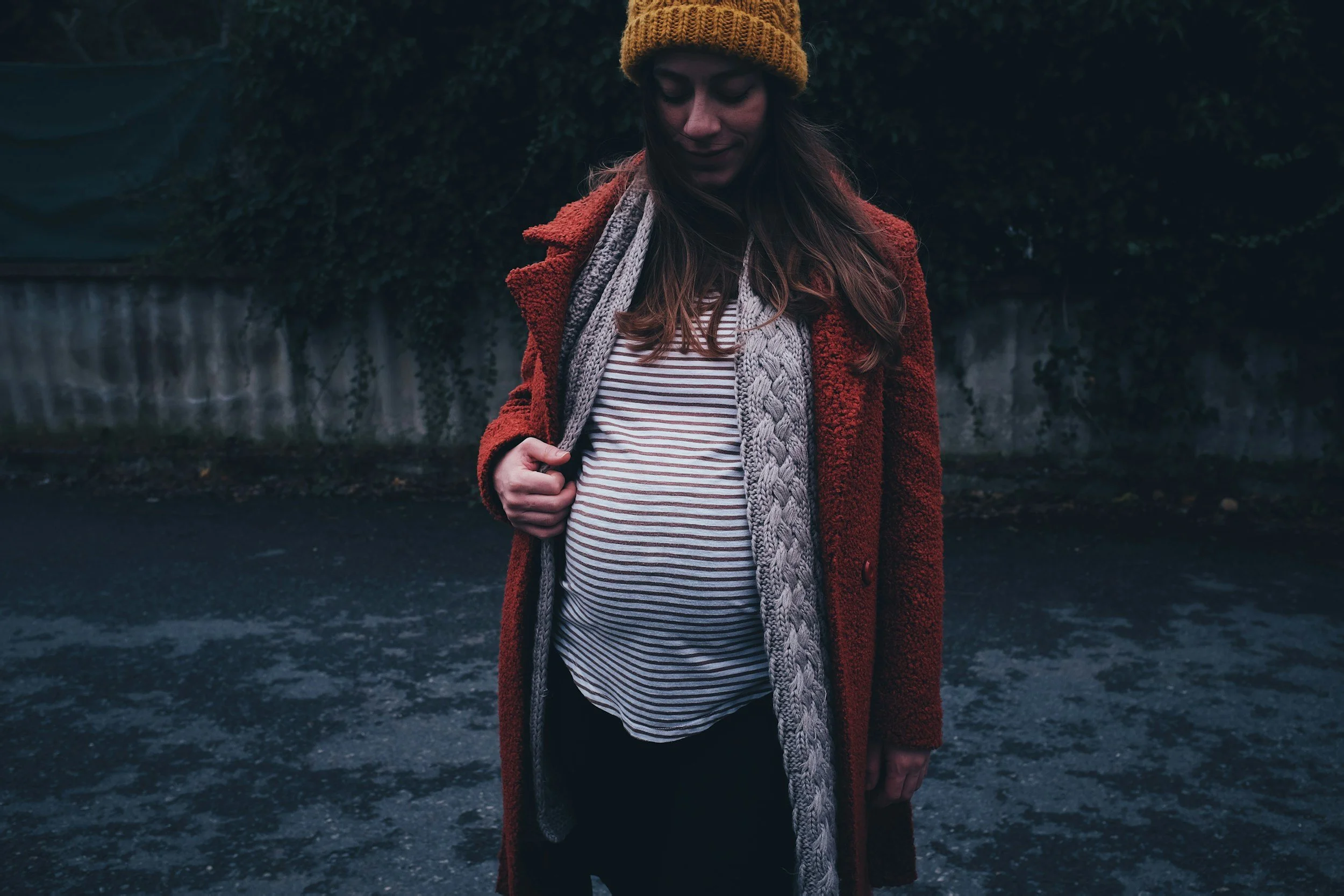
Emergency Evacuation Tips for Pregnant Mamas
Natural disasters, sudden evacuations, snow storms, hurricanes or power outages don't wait for your due date. If you had to leave your home in ten minutes, would you have what you and the baby need? Having an extra “Emergency Go Bag" ready much earlier than you think is the best way to protect you, your baby and your peace of mind. 👶💕
We’ve all seen the Pinterest-perfect hospital bag checklists - matching robes and "going home" outfits. But here’s a PSA for my pregnant mamas: You need to be prepared for more than just a smooth delivery in a hospital or your planned birthing place.
For the Baby’s Survival
Backup Nutrition: A tin of formula and sterilized bottles. Even if you plan to breastfeed, extreme stress or trauma can delay your milk supply. There may be times you are separated for a moment so to know you have back up food is truly a wonder.
The "No-Screens" Guide: A hard-copy book (remember those? books with delightful, tactile paper!) about baby’s first few months. If cell towers are down, you’ll need a physical resource for newborn care and safety. You may not be able to get a hold of your own Mama or elder in the community for advice .
PRINTED Delivery Instructions: A printed out guide on how to deliver a baby in case you find yourself in a situation where you cannot reach a hospital. You may end up in a car on the way to the hospital or it may be out of reach entirely.
Nappies & Wipes: A few packs of nappies/diapers (size NB and 1), a few packs of wipes, and a small tube of diaper cream.
Health Kit: A bulb syringe (snot sucker), a digital thermometer, and infant-safe fever/temperature reducer. *
Weather Protection: Extra layers, hats, booties, and a thermal baby blanket to regulate their temperature.
A Foldable/Collapsable Bassinet: Baby will need somewhere safe to sleep no matter where you end up, and if it’s your own cot then you can also be more assured thats its safe, and clean.
For Your Pregnancy & Postpartum Needs
Paper Records: A hard copy of your prenatal records and emergency contacts. If you end up at a different hospital, these could be life-saving.
Comfort & Mobility: Compression socks (for swelling during travel) and a belly support band if you have to be on your feet.
Postpartum Survival Kit: Heavy-duty pads, soothing wipes, and nipple cream.
Medications: A two-week supply of prenatal/postnatal medicines/vitamins and any pregnancy-safe pain relief. Plus your own regular supply of medication should you be on any.
Essential Survival Gear
Hydration & Energy: Extra water bottles and high-protein, shelf-stable snacks like granola/muesli bars or nuts. Noodles in a cup wouldn’t go a miss either.
Power: A (few) high-capacity portable power bank(s) to keep your phone charged for emergency alerts.
Sturdy Shoes: Keep a pair of comfortable sneakers or slip-ons right next to your bag. ‘Easy on/off’ shoes are even better. You don’t want to be dealing with a large belly and laces in a rush.
The "Half-Tank" Rule:
Never let your gas tank (or your EV charge) drop below half. If an evacuation happens, gas/fast charge lines will be long and stressful. You don’t want to be stuck on a highway in the heat or freezing cold while pregnant or in active labour.Map Out Backup "Safety Hospitals":
Your preferred hospital might be in the evacuation zone. Research two other hospitals - one 20 miles/km away and one 50 mile/kms away that have Labour & Delivery wards. Keep their addresses and phone numbers printed in your Go Bag.Wear Your Medical Info:
In a REALLY chaotic situation, you might be separated from your bag, partner or even your phone. Wear a medical alert bracelet or even just a temporary silicone band that says "PREGNANT - [DUE DATE]." If you are unresponsive, first responders need to know immediately that they are treating two patients.Text, Don’t Call:
In a disaster, phone lines often jam, but text messages usually go through eventually. Have a pre-planned "Communication Tree" one person outside the affected area who can relay updates to your family so you aren't wasting battery life making multiple calls.
Preparing for the "what ifs" isn't overreacting, it’s a crazy world out there at the moment so it's all about being empowered and being a good Mama before baby is even here. Whether you're just heading to the labor ward or heading to safety, having your gear by the door lets you focus on what matters most: your health and your little one. Whether you are able to get a couple of the things mentioned above or the entire list know that you are doing your best for you and your family.
Stay safe and prepared, mamas! Xxx
*Infant-safe fever reducer(Tylenol/Ibuprofen)
Age: It is generally safe for newborns, but most doctors advise not giving it to babies under 2 or 3 months old without a direct order from a pediatrician.
Why it's in the Go Bag: In an emergency/evacuation scenario, you may not have immediate access to a pharmacy. Having it on hand is vital, but you should always call (if possible) a doctor before administering it to a brand-new baby. Never give medication outside of an age rating or without advice from your doctor.